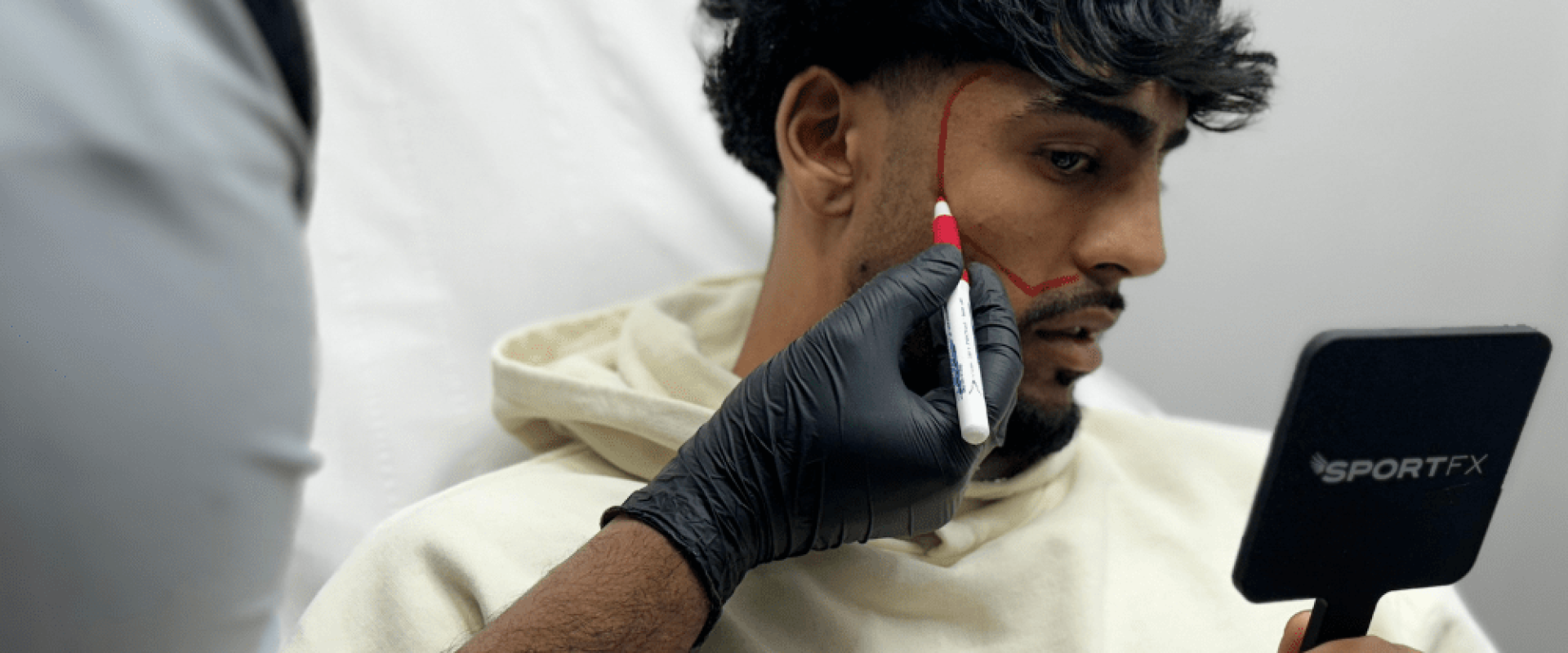
ND:YAG Laser vs IPL: Why Medical Grade Technology Matters for Men

You’ve probably seen countless ads for IPL (intense pulsed light) devices. At home systems. Salon treatments. They’re everywhere, and they’re cheaper than clinic grade laser. So why do we recommend ND:YAG laser instead?

The answer comes down to science, safety, and real results. This comprehensive guide explains the difference between ND:YAG laser and IPL, why medical grade equipment matters, and why men get dramatically better results with professional ND:YAG treatment.


What’s the Difference? Understanding the Technology

First, let’s clarify something important: IPL is NOT laser. It’s a common misconception that costs men thousands in wasted money and time.


IPL (Intense Pulsed Light): Uses broad-spectrum light (multiple wavelengths, 500-1200nm) to heat hair follicles. It’s like a flash lamp good for general light, but not precise. IPL energy spreads across the skin, meaning much of the energy is wasted on surrounding tissue. It’s cheaper to manufacture, which is why you see it in home devices and budget salons.

ND:YAG Laser: Uses specific, single wavelength (1064nm) focused laser energy directly into hair follicles. Think of it as a precision instrument versus a flashlight. The 1064nm wavelength penetrates deeper than other lasers, making it ideal for thicker male hair and darker skin tones. It’s more expensive because the technology is more sophisticated and effective.

This distinction matters tremendously for results. IPL requires more sessions, works less effectively on dark skin, and causes more discomfort during treatment.


Effectiveness: Real Results Comparison

Let’s talk about what actually happens during treatment.

IPL flashes broad spectrum light across your skin. About 20-30% of that energy actually reaches the hair follicle. The rest heats surrounding tissue, causing redness and discomfort. You typically need 8-10 sessions minimum for IPL, sometimes more. Results are often inconsistent.

ND:YAG laser energy concentrates in the hair follicle itself. 80-90% of the energy targets your hair directly. This means better results in fewer sessions (typically 6-8 for permanent reduction). The treatment is more effective because the energy goes exactly where it needs to.

In real terms: A man using IPL might need 10 sessions over 18 months for okay results. The same man using ND:YAG gets better results in 6-8 sessions over 12 months.

National Award Winner

Secured top 3 positions across 4 major categories at the Beauty & Aesthetics Awards 2025

Category of

rising star award

Category of

best for laser award

Category of

best social media

Category of

entrepreneur of the year

Category of

best aesthetics practitioner

Category of

most wanted aesthetic clinic

Category of

RISING STAR
AWARd

Category of

best for laseR Award

Category of

Best Social
Media Award

Category of

Entrepreneur of the year

Category of

Best Aesthetics practitioner

Multi award finalist 2025

Category of

Most Wanted Aesthetic Clinic

Multi award finalist 2025

National Award Winner

Secured top 3 positions across 4 major categories at the Beauty & Aesthetics Awards 2025

Category of
RISING STAR
AWARd

Category of
best for laseR Award

Category of
Best Social
Media Award

Category of
Entrepreneur of the year

Category of
Best
Aesthetics practitioner

Multi award finalist 2025

Category of
Most Wanted Aesthetic Clinic

Multi award finalist 2025
ND:YAG Laser vs IPL: Why Medical-Grade Technology Matters for Men


Safety: Why Skin Tone Matters

Here’s where the difference becomes critical for many men.

IPL is problematic on darker skin. The broad spectrum light can’t differentiate between melanin in your skin and melanin in your hair. On darker skin, IPL heats the skin itself, causing burns, pigmentation changes, and permanent damage. This is why IPL manufacturers include warnings against use on darker skin types.

ND:YAG at 1064nm wavelength penetrates deeper, bypassing the skin’s melanin layer and targeting hair follicles directly. This is precisely why medical professionals choose ND:YAG for darker skin types (Fitzpatrick V-VI). It’s safe because the specific wavelength doesn’t interact with skin melanin the same way.

For men of colour African, Caribbean, Asian, Indian, Middle Eastern backgrounds ND:YAG isn’t just better. It’s the only safe option. IPL is genuinely risky on darker skin.


Cost Comparison: Why Cheap Isn’t Smart

IPL devices cost less upfront. A home IPL device costs £200-400. A clinic IPL treatment costs £60-100 per session. ND:YAG costs more: £120-220 per session at a professional clinic.

But here’s the math:

  • Home IPL device: £300 upfront + potential burns/damage (no professional oversight) = false economy. Many men waste money on devices that don’t work effectively on their hair type or skin tone.

  • IPL clinic (10 sessions): £100 x 10 = £1,000, over 18 months, with okay results. No permanent reduction, more maintenance needed afterward.

  • ND:YAG clinic (6-8 sessions): £150 x 7 = £1,050, over 12 months, with permanent hair reduction. Minimal maintenance after. Better results in less time.

The costs are similar, but ND:YAG delivers better results, fewer sessions, and permanent reduction. That’s not just value that’s smart investing.


Pain and Comfort: A Significant Difference

IPL causes more discomfort because broad spectrum light heats more tissue. Men often describe it as snapping with a rubber band repeatedly. Pain depends on your pain tolerance, but IPL is generally more uncomfortable.

ND:YAG can cause slight discomfort (similar sensation, but less intense) because energy concentrates in the follicle, not surrounding tissue. Most men find it tolerable, especially compared to waxing or threading.

Our clinic uses cooling technology and technique adjustments to minimize discomfort further. Many clients describe the sensation as “warm snapping” rather than painful.

Laser Hair Removal Services For Men In Bradford

Alpha Laser Clinic is Yorkshire’s first men’s only clinic specialising in men’s laser hair removal in Bradford and other cosmetic treatments for all skin tones.

Why Professionals Recommend ND:YAG

Medical professionals overwhelmingly recommend ND:YAG laser for hair removal because:

  1. Superior technology: Proven effective through decades of medical research

  2. Safer on all skin tones: Especially crucial for darker skin

  3. Permanent reduction: Delivers lasting results, not temporary removal

  4. Fewer sessions needed: Complete treatment faster

  5. Professional oversight: Clinic treatment includes expert assessment and adjustments

At Alpha Laser Clinic, we’ve chosen ND:YAG specifically because it’s the best technology available. We could use cheaper IPL and charge less. But we prioritize your results over our margins.


The Bottom Line: What You Should Know

IPL works. It’s not dangerous (on light skin). It’s just less effective, less permanent, and requires more sessions than ND:YAG.

Think of it this way: IPL is like a home haircut. Possible, sometimes acceptable, but not ideal. ND:YAG is like a professional barber more expensive upfront, better results, worth every penny.

For men serious about permanent hair reduction, ND:YAG is the clear choice. Especially if you have darker skin, thick hair, or want lasting results.


FAQ: ND:YAG vs IPL Questions

  1. Isn’t IPL cheaper? Why should I spend more?
    IPL is cheaper initially but requires more sessions for worse results. When you calculate total cost, ND:YAG usually works out cheaper because you need fewer treatments and get permanent reduction.

  2. Can IPL work on dark skin?
    It can, but it’s risky. The broad spectrum light can damage darker skin. ND:YAG is specifically designed for safe treatment on all skin tones.

  3. How many IPL sessions would I need vs ND:YAG?
    Most people need 10-12 IPL sessions for okay results. ND:YAG typically requires 6-8 sessions for better results.

  4. Is ND:YAG painful?
    Mild discomfort, similar to rubber band snaps. Less painful than IPL because energy concentrates in the follicle.

  5. Why not just buy an at-home IPL device?
    Home devices have less power than clinic equipment, no professional oversight, and higher risk of skin damage. Plus results are inconsistent.

Leave a Reply

Your email address will not be published. Required fields are marked *